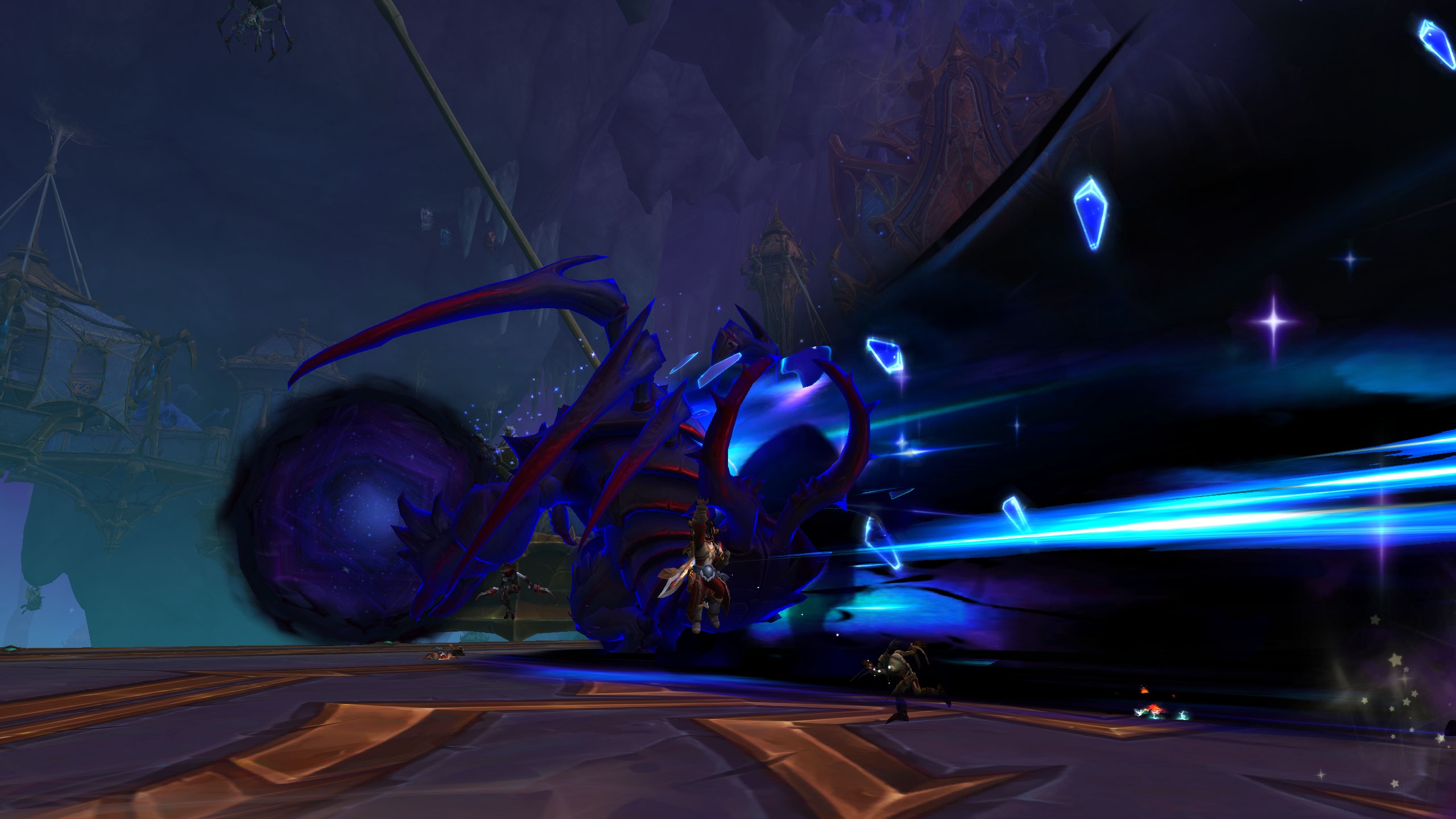
It’s no coincidence that mastering raid mechanics in WoW is akin to orchestrating a symphony, where each player has a distinct role that contributes to the harmony of the group. You might think you’ve got tanking, healing, or DPS down, but understanding the nuances of boss encounters takes it to another level. Success hinges on more than just raw power; it’s about timing, strategy, and communication. Ever wondered how to anticipate those phase changes or manage enrage timers effectively? Stick around, and you’ll find the keys to transform chaotic battles into seamless victories.
Key Roles in Raids
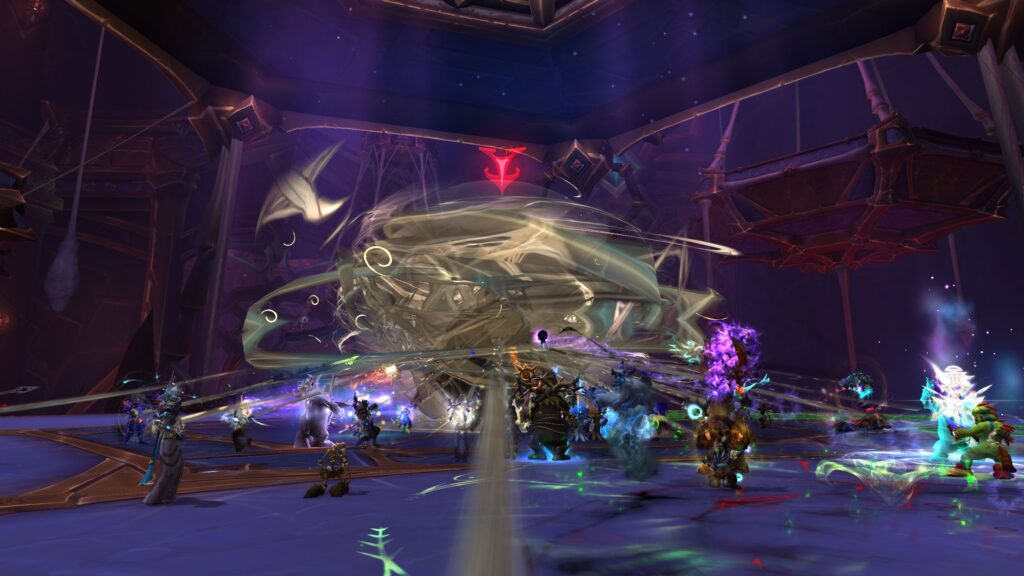
Understanding the key roles in raids is fundamental for any successful boss encounter in World of Warcraft. As a raid participant, you’ll need to get familiar with tank responsibilities. Tanks are the frontline defenders, absorbing damage and maintaining the boss’s attention. Effective cooldown management is essential here to guarantee your survival during heavy hits.
Healer coordination is another significant aspect. As a healer, your job is to keep the group alive, managing health bars while strategically using utility spells to mitigate incoming damage. Communication strategies among healers are crucial to avoid overlapping cooldowns and guarantee efficient mana usage.
Damage dealers, or DPS, need to focus on maximizing their output while handling mechanics. Crowd control abilities can be important for managing adds or reducing the pressure on tanks and healers. It’s about timing your abilities to maximize your impact without drawing unnecessary aggro.
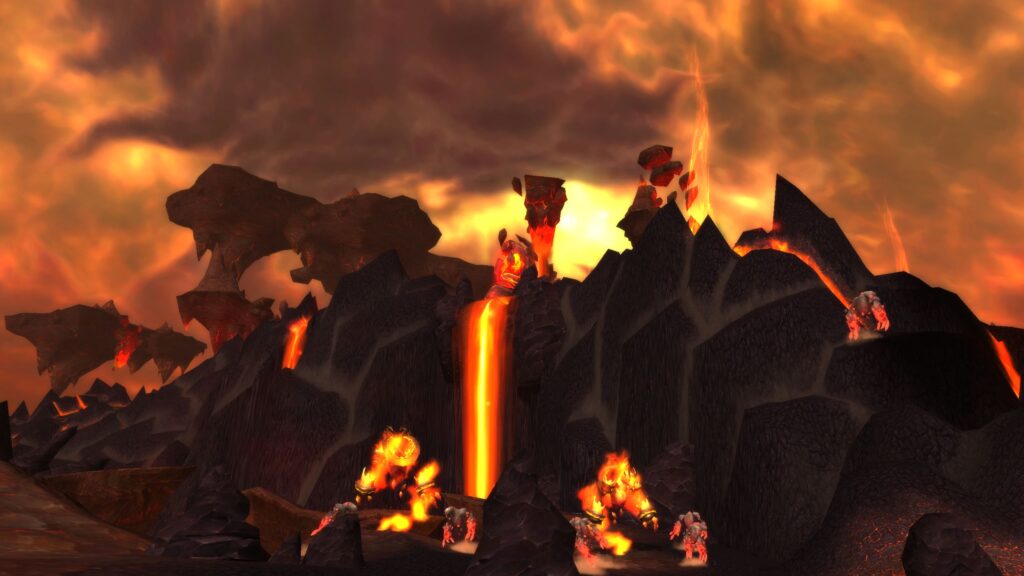
Lastly, successful raids hinge on robust communication strategies. You’ll need to coordinate with your team, calling out when to use specific abilities or react to boss phases. Understanding these roles and working together efficiently can make the difference between a wipe and a victory.
Understanding Boss Abilities
When you face a boss in World of Warcraft, it’s essential to grasp the abilities they wield. Understanding these abilities is fundamental for your raid’s success. Many bosses require careful ability synergy, where players must coordinate their skills for maximum impact. Keep an eye on debuff management; failing to dispel or cleanse debuffs can lead to catastrophic results. Proper cooldown timing is critical for both damage output and survival, so plan your cooldowns wisely. Damage mitigation and healing strategies are equally important, guaranteeing the group withstands powerful attacks and sustains through prolonged fights.
To help you better understand these concepts, here’s a quick guide:
| Aspect | Key Focus |
|---|---|
| Ability Synergy | Coordinate skills effectively |
| Debuff Management | Cleanse harmful debuffs |
| Cooldown Timing | Optimize ability usage |
| Damage Mitigation | Use shields and defenses |
| Healing Strategies | Maintain health of the group |
Don’t forget about crowd control and threat generation. Crowd control can neutralize adds or manage overwhelming situations, while threat generation guarantees the boss remains focused on the tank. Mastering these elements will prepare you for any boss encounter, enhancing your raid performance.
Managing Raid Positioning
In the heat of a raid, managing raid positioning is essential for maximizing your group’s efficiency and survival. Start by ensuring proper tank positioning. Tanks should face the boss away from the group to mitigate cleave damage and keep the raid safe from frontal attacks. For ranged placement, coordinate so that players spread out effectively to avoid area denial mechanics, ensuring they have room to maneuver without overlapping with others.
Melee alignment is critical—keep melee players behind or to the sides of the boss, maximizing their damage output while minimizing movement. Efficient movement coordination is key to reacting quickly to fight mechanics. Practice moving as a unit to avoid unnecessary chaos during intense moments.
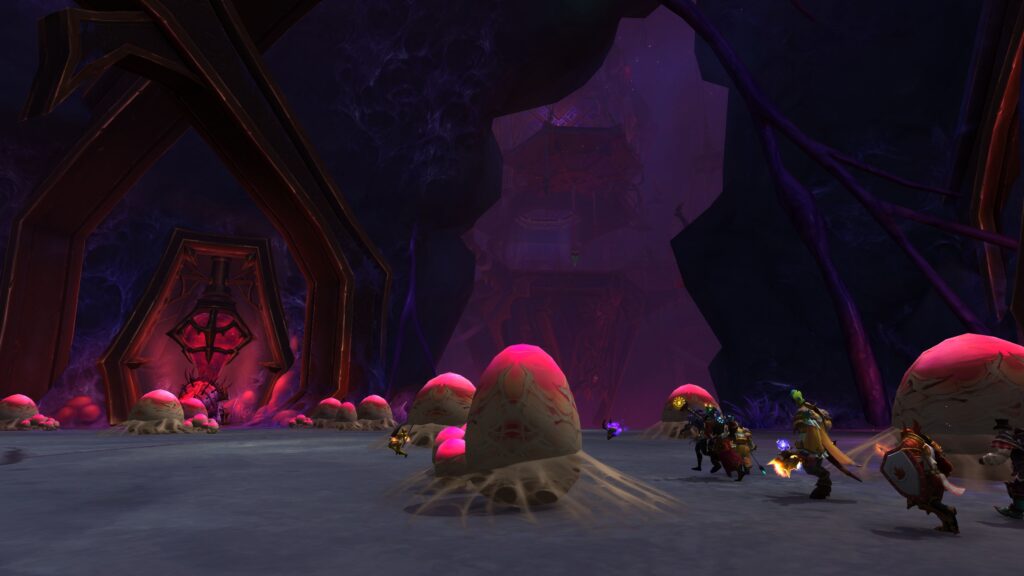
Be mindful of debuff stacking; coordinate when multiple players are affected, and assign them safe zones to prevent stacking harmful effects. Environmental awareness is significant. Always pay attention to the environment, identifying safe zones and potential hazards, like fire or void zones. By mastering these aspects of raid positioning, you’ll enhance your group’s ability to respond to threats and maintain control over the battlefield, paving the way for victory in any boss encounter.
Handling Phase Transitions
During phase changes, it’s important to be prepared and coordinated, as these moments can often dictate the success or failure of a raid encounter. Understanding phase timing is significant. Keep track of the boss’s health and any visual cues that signal a shift. Communication strategies are essential; make sure that everyone knows when a phase is about to change. Clear and concise calls help players stay focused and organized.
Player awareness is another key component. Each member should know their role during shifts. Shift coordination involves moving to designated spots or preparing for new mechanics. Proper cooldown management during shifts can prevent unnecessary deaths—plan your cooldowns based on the anticipated phase timing.
Resource allocation also plays a role. Make sure healers have enough mana and DPS have their resources ready for the next phase. Here’s a simple table to illustrate some strategies:
| Key Aspect | Strategy |
|---|---|
| Phase Timing | Track boss health and visual cues |
| Communication | Use clear, concise calls |
| Player Awareness | Know your role during shifts |
| Cooldown Management | Plan cooldowns for phase changes |
| Resource Allocation | Make sure resources are ready for next phase |
Dealing With Enrage Timers
After mastering the intricacies of phase changes, it’s time to tackle the challenge of enrage timers. Enrage mechanics are designed to push your raid to its limits, activating when a fight goes on too long. To overcome this, effective encounter preparation is essential. You’ll want a raid composition that maximizes your damage output while balancing important roles. DPS strategies are critical here; verify that all damage dealers are optimizing their rotations and using their most potent abilities wisely.
Cooldown management is another significant component. Saving major cooldowns for key moments can help burst down the boss before the enrage triggers. Communicate with your team to synchronize these efforts, guaranteeing no cooldown is wasted. Damage mitigation also plays a role, as some enrage phases involve massive damage spikes. Tanks should be ready with their defensive cooldowns, and healers must adjust their healing priorities to keep everyone alive during these pivotal moments.
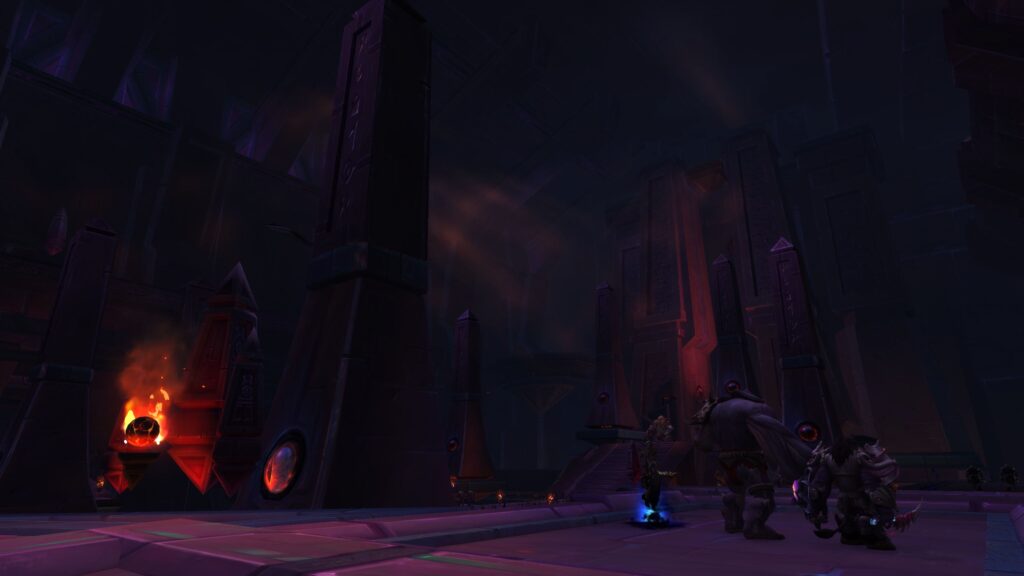
Lastly, practice makes perfect. Regularly running the encounter helps your team familiarize themselves with the mechanics, leading to smoother execution. By focusing on these strategies, you’re better equipped to handle enrage timers and achieve that coveted victory.
Frequently Asked Questions
How Do Loot Drops Work in Raid Encounters?
In raids, loot probability depends on boss mechanics, raid difficulty, and item quality. Personal loot means you’ve a chance at gear based on raid composition. After the weekly reset, loot chances refresh, offering new opportunities for rewards.
What Is the Role of Add-Ons in Raid Success?
Did you know 85% of top raiders use add-ons? They’re vital for raid success, offering customization for performance tracking, raid planning, and threat management. Essential add-ons help with cooldown management and understanding boss mechanics, enhancing overall efficiency.
How Can I Improve Communication With My Raid Team?
To improve raid team communication, focus on pre-raid meetings for role assignments. Use voice chat strategies and effective signal methods. Encourage feedback sessions for conflict resolution. Follow raid leader tips to enhance coordination and guarantee smooth operations.
What Are Common Raid Etiquette Practices to Follow?
You’ve got to respect raid responsibilities and know your boss positioning. Manage cooldowns effectively and be mindful of debuff stacking. Healer roles are essential during dps checks. Always stay calm and organized for smooth wipe recovery. Communicate constantly.
How Do I Choose the Right Raid Group for My Skill Level?
You know what they say, “Birds of a feather flock together.” Choose a raid group by evaluating your skill level, ensuring player compatibility, and matching experience level, role preference, scheduling flexibility, and commitment expectations for the best fit.
Conclusion
In mastering raid mechanics, you’ll become the hero who single-handedly saves your group from certain doom. Prioritize understanding key roles like tanking, healing, and DPS, ensuring you’re communicating effectively and positioning wisely. Learn to anticipate boss abilities and handle phase changes smoothly. Always keep an eye on enrage timers to strategize effectively. With these tips, you’ll conquer even the most challenging encounters and lead your team to victory with unparalleled efficiency.
Home