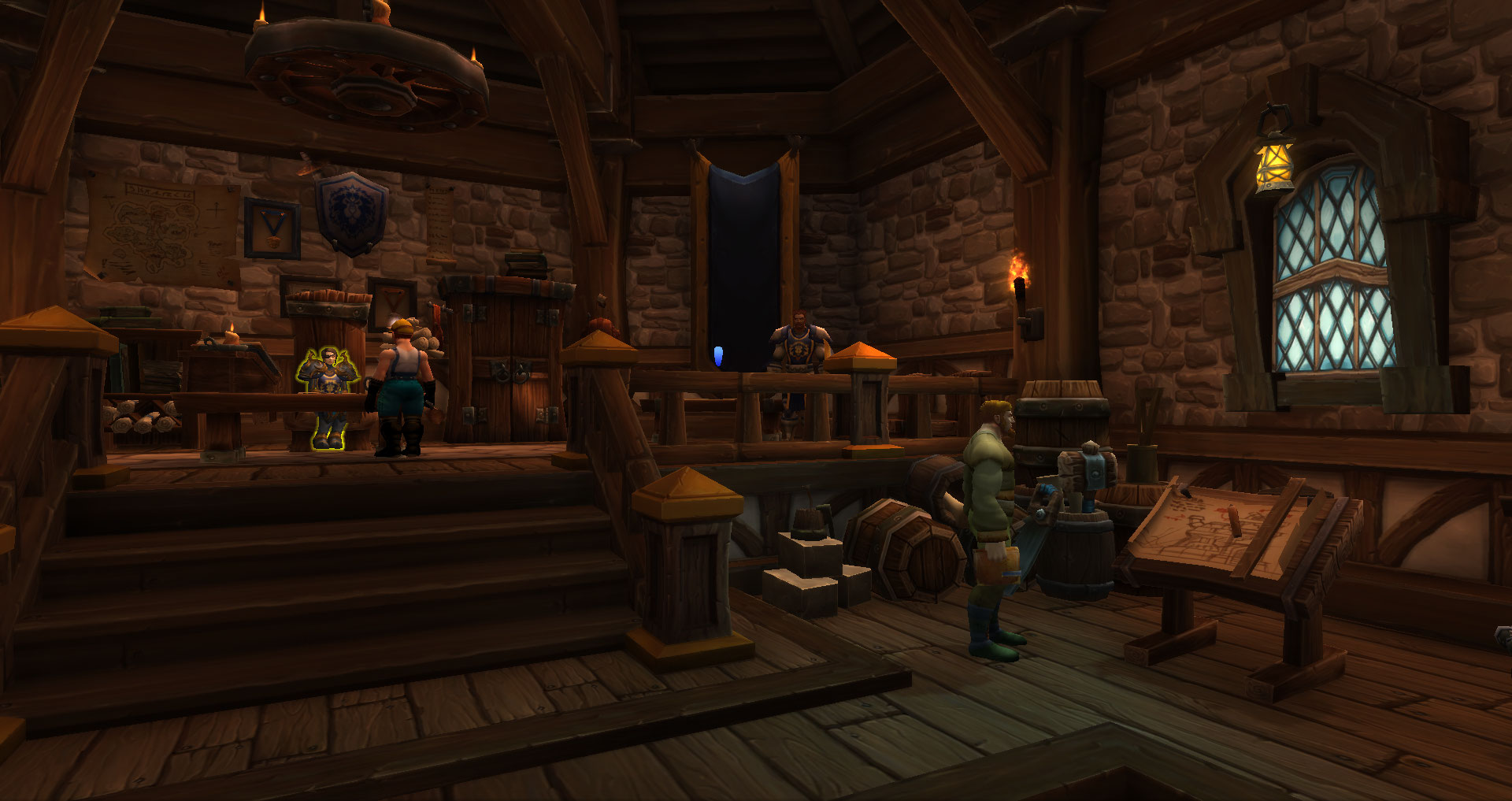
The introduction of Garrisons in Warlords of Draenor marked a significant shift in World of Warcraft’s gameplay dynamics, inadvertently leading to a decline in social interactions among players. While the Garrison system aimed to provide players with a personal space for crafting, resource management, and questing, it also isolated players from the communal aspects that previously defined the game. This guide explores the mechanics behind Garrisons, their impact on social play, and the broader implications for player engagement.
What are the key specifications and features of Garrisons in Warlords of Draenor?
The Garrison system introduced in Warlords of Draenor features customizable buildings, followers, and resource management, fundamentally changing player engagement.
Understanding the specifications and features of Garrisons is crucial for grasping their impact on gameplay. The following table outlines the primary metrics that define Garrisons, showcasing their various components and functionalities.
| Feature | Customization Level | Follower Management | Resource Generation |
|---|---|---|---|
| Building Types | High | Up to 20 | Gold, Materials |
| Daily Quests | Moderate | Mission Table | Garrison Resources |
| Crafting | Varied | Follower Abilities | Crafting Materials |
How did Garrisons change the social dynamics in World of Warcraft?
The introduction of Garrisons shifted player focus from communal activities to solo gameplay, significantly reducing social interactions.
Before Garrisons, World of Warcraft thrived on social interactions, with players frequently grouping for quests, dungeons, and raids. The Garrison system allowed players to engage in a self-sufficient gameplay loop, where they could complete daily quests, manage resources, and craft items without needing to interact with others. This shift created a solitary experience, as players found themselves less inclined to join groups or engage in the vibrant social fabric that characterized earlier expansions. The allure of personal space and control over one’s environment led to a decline in the need for social collaboration.
Mechanically, Garrisons provided players with a plethora of activities that could be accomplished solo. Players could send followers on missions, gather resources, and complete crafting tasks without ever stepping foot outside their Garrison. The design encouraged players to stay within their own space, reducing the incentive to socialize or form connections with others. This was compounded by the fact that many of the rewards and resources could be obtained without any group play, further isolating players from the community. The Garrison’s self-sufficiency became a double-edged sword, offering convenience while simultaneously eroding the social bonds that had been a hallmark of the game.
For example, players could easily level up their professions and gather materials through Garrison missions, eliminating the need to trade or collaborate with others. The mechanics of follower management allowed for efficient resource generation, making it possible to achieve goals without ever needing to form a party. As a result, the social aspects of the game diminished, leading to a more insular player experience. This transition not only affected casual players but also impacted guild dynamics, as fewer players felt the need to engage in collective activities.
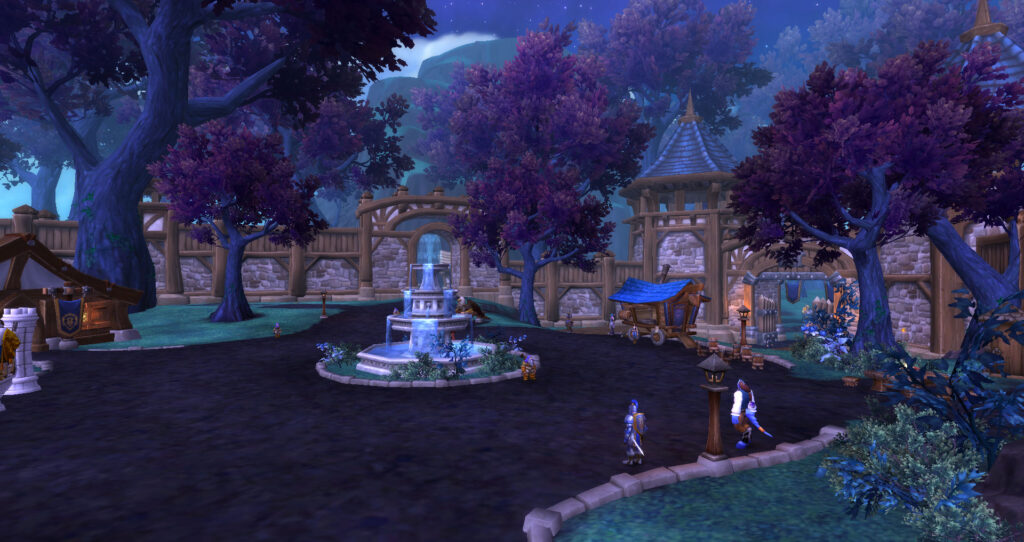
What steps can players take to foster social play despite the Garrison system?
Players can actively seek out group activities, join guilds, and participate in community events to counteract the isolation caused by Garrisons.
While Garrisons may have inadvertently led to a decline in social interactions, players can take proactive steps to re-engage with the community. Fostering social play requires intentionality and a willingness to step outside the comfort of solo gameplay. By participating in group activities, players can rekindle the social dynamics that once defined the game. Here are some actionable steps to consider:
- Join a guild that prioritizes social interaction and group activities, ensuring regular engagement with other players.
- Participate in community events, such as in-game contests or seasonal celebrations, to meet new players and build connections.
- Organize or join dungeon and raid groups, utilizing tools like the Group Finder to facilitate social play.
- Engage in trade and crafting with other players, encouraging collaboration and resource sharing.
What are the critical parameters for maintaining social engagement in World of Warcraft?
Maintaining social engagement requires a focus on group activities, communication, and shared goals among players.
To sustain social engagement in World of Warcraft, players must prioritize group activities and foster communication within their communities. This involves not only participating in traditional group content like dungeons and raids but also actively engaging in guild discussions and events. Players should seek to create an environment where collaboration is encouraged, and where players feel valued and connected. Establishing shared goals, such as completing achievements or progressing through content together, can enhance the sense of community.
Additionally, utilizing voice chat platforms or in-game communication tools can significantly improve social interactions. By fostering an environment where players feel comfortable sharing their experiences and strategies, the social fabric of the game can be strengthened. Regularly scheduled events, such as guild meetings or social nights, can also help maintain engagement and encourage players to connect beyond the confines of their Garrisons. The emphasis should be on creating a culture of collaboration and support, where players are motivated to engage with one another.
Ultimately, the key to maintaining social engagement lies in the willingness of players to step outside their comfort zones and actively seek out interactions. By prioritizing group content and fostering a sense of community, players can counteract the isolating effects of the Garrison system and restore the vibrant social dynamics that once defined World of Warcraft.
What potential issues might arise from the Garrison system in terms of social play?
The Garrison system can lead to social isolation, reduced player interaction, and a decline in community-driven activities.
While the Garrison system offers numerous benefits, it also presents potential issues that can adversely affect social play. One of the primary concerns is the tendency for players to become socially isolated, as the Garrison provides a self-sufficient environment that reduces the need for interaction with others. This isolation can lead to a decline in community-driven activities, as players may prefer to complete tasks solo rather than engaging with their peers. The lack of social pressure to participate in group content can further exacerbate this issue, creating a cycle of disengagement.
Moreover, the Garrison system may inadvertently create a divide between players who prefer solo play and those who thrive on social interactions. This divide can lead to frustration among players who seek to engage with others, as they may find it challenging to connect with those who are focused on their personal Garrison activities. Additionally, the emphasis on self-sufficiency can diminish the value of teamwork and collaboration, as players may prioritize individual achievements over collective goals.
To address these potential issues, players and developers alike must recognize the importance of fostering social interactions within the game. Encouraging players to engage in group activities and providing incentives for collaboration can help mitigate the isolating effects of the Garrison system. By creating opportunities for players to connect and work together, the community can thrive, ensuring that social play remains a vital aspect of the World of Warcraft experience.
What future trends might influence social play in World of Warcraft?
Future expansions and updates may introduce systems that enhance social play, countering the isolating effects of Garrisons.
As World of Warcraft continues to evolve, future trends may play a significant role in shaping social play dynamics. Developers are increasingly aware of the need to balance solo and group content, and future expansions may introduce systems designed to enhance social interactions. For instance, new features that encourage collaboration, such as shared quests or community events, could help counteract the isolating effects of the Garrison system.
Moreover, the integration of social features, such as improved guild systems or community hubs, may provide players with more opportunities to connect and engage with one another. These enhancements could foster a sense of belonging and encourage players to participate in group activities, ultimately revitalizing the social fabric of the game. Additionally, the introduction of cross-realm features may facilitate interactions between players from different servers, broadening the community and enhancing social play.
In conclusion, while the Garrison system has presented challenges to social play, the future of World of Warcraft holds promise for revitalizing community engagement. By prioritizing social interactions and creating systems that encourage collaboration, developers can ensure that players continue to connect and thrive within the game. The ongoing evolution of World of Warcraft will likely reflect a commitment to balancing solo and social experiences, ultimately enriching the player experience.