
The world is shaped as much by what remains visible as by what has vanished. Scattered across continents lie kingdoms that once held power, shaped cultures, and influenced entire eras — yet today exist only as ruins, whispers, and fragments of lore. These forgotten nations stand as reminders that history is never complete. Their silence invites curiosity, urging players to uncover what was lost and imagine the stories that time has erased.
This article explores these vanished kingdoms, the reasons behind their disappearance, and the quiet legacies they left behind.
Echoes of Civilizations Erased by Time
Throughout the world, players encounter remnants of societies that no longer exist. Crumbling temples, abandoned fortresses, and ruins overtaken by nature tell stories through atmosphere rather than exposition. Some kingdoms fell to war, some to magic gone awry, and others simply faded as powers shifted. Their presence reminds players that the world contains layers of history far deeper than any single expansion reveals.
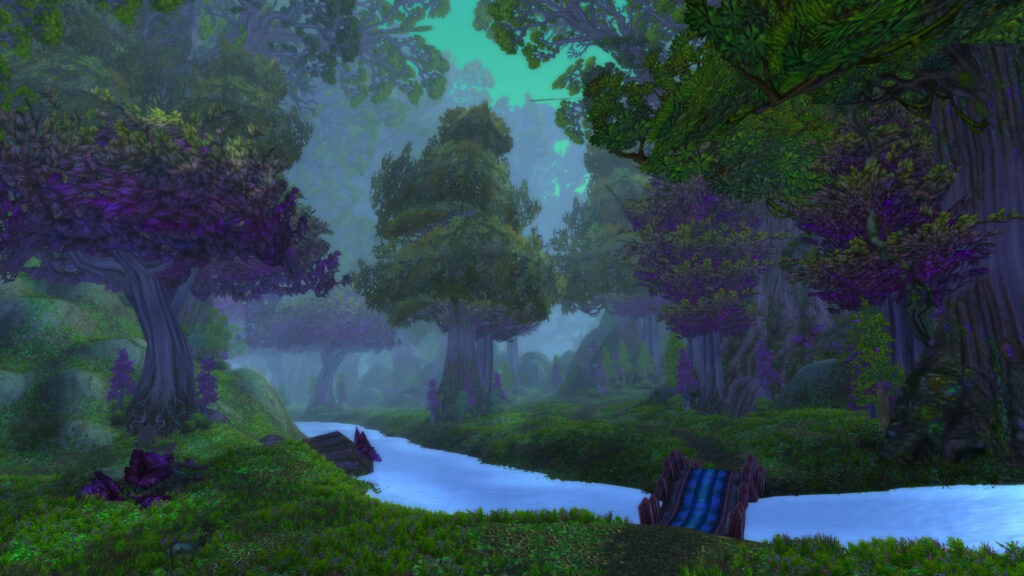
Ruins become silent storytellers of an age long gone.
What We Learn From What Is Missing
Forgotten kingdoms offer clues about cultures, beliefs, and conflicts no longer recorded in modern chronicles. They reveal how empires rose and fell, how magic shaped societies, and how civilizations responded to threats now shrouded in myth. By studying these remnants, players piece together narratives that expand the world’s depth without needing direct updates from developers.
To highlight their influence across history, here is a simple overview:
- Ruins of ancient empires: Evidence of societies older than modern kingdoms
- Sunken civilizations: Lands lost to disasters or magical upheavals
- Lost tribal homelands: Cultures displaced by conflict or migration
- Forgotten magical enclaves: Communities consumed by arcane forces
- Abandoned fortress-states: Nations erased by war or political collapse
The Emotional Pull of Lost History
Forgotten kingdoms evoke a unique emotional response. They capture imagination because they invite speculation, offering fragments rather than full narratives. Players feel a sense of melancholy awe, standing in places where entire nations once thrived. These landscapes hold a kind of sacred silence — a quiet that speaks louder than any quest text. The emotional resonance of these spaces keeps players returning, hoping to uncover more of the unseen past.
Absence becomes its own form of storytelling.
Modern Expansions and the Rediscovery of the Lost
Recent expansions often revisit or reinterpret forgotten kingdoms, breathing new life into neglected corners of the world. By connecting modern arcs to ancient civilizations, they create narrative bridges that enrich both past and present. These rediscoveries help the world feel cohesive, reminding players that history is cyclical and intertwined across eras.
The lost past continues shaping the living world.
Why Lost Kingdoms Still Matter
Forgotten kingdoms remain important because they deepen the world’s sense of age and mystery. They expand the emotional and narrative space, offering unanswered questions that spark imagination. These ancient lands remind players that the world is not defined solely by the current moment, but by countless layers of history beneath the soil. Their silence enriches every story told today.
The forgotten remains alive through the echoes it leaves behind.
Conclusion
The forgotten kingdoms of the world continue to shape its emotional and narrative identity through their ruins, mysteries, and absence from recorded history. They reveal how vast the world truly is and how many stories remain untold.
By exploring what was lost, players discover how much more there is to learn — a reminder that even vanished civilizations continue to influence the living world.